
History of BMW Motorrad
As time progresses, technology and design have helped propel the motorcycle industry to what it is today — and BMW Motorrad is no exception.
With close to 100 years of experience, this subsidiary of BMW AG has made its mark as a leader in innovation and design.
Origin Story
BMW Motorrad is the motorcycle brand of the German automobile and motorcycle manufacturer BMW AG — headquartered in Munich. Its story dates back to 1916, when the company was founded as Bayerische Flugzeugwerke (Bavarian Airplane Works), originally producing aircraft engines.
Bayerische Flugzeugwerke (BFW) was formed as a result of a merger between Karl Rapp's Flugwerke Deutschland and Gustav Otto's Flugmaschinenfabrik (Airplane Factory). In 1917, the firm was renamed to Bayerische Motoren Werke GmbH, and in 1918 it took on its current name of Bayerische Motoren Werke AG (BMW AG).
After World War I, the Treaty of Versailles forbade BMW from making aircraft engines. They began producing small industrial engines and other items such as household goods, railway brakes, and farm equipment to keep their business afloat.
By 1920, BMW had released the M2B15 — a flat-twin petrol engine designed to power portable industrial machines. However, the new engine also found its way into motorcycles made by several manufacturers, including the Victoria of Nuremberg and BFw Helios.
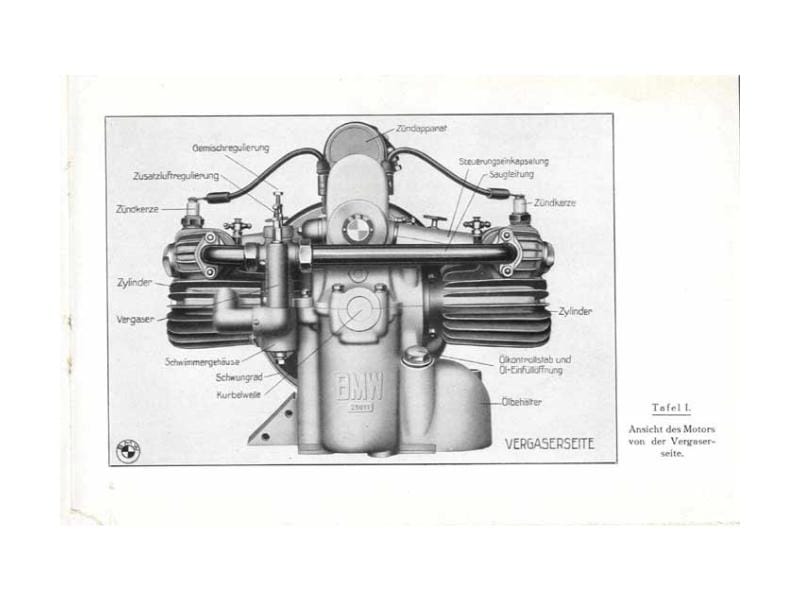
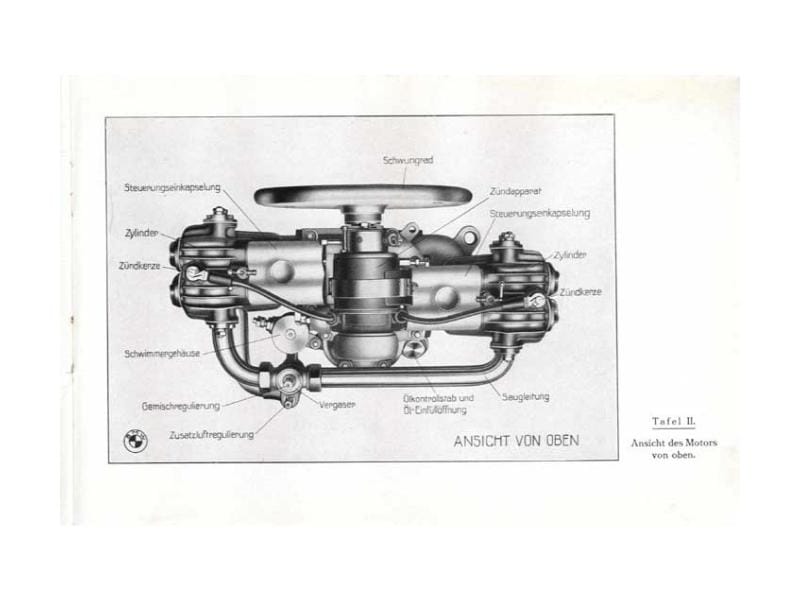
This innovation led to BMW's first motorcycle in 1923, using the famous boxer engine developed by BMW engineer Max Friz. Since then, BMW has been making motorcycles, and its history of quality vehicles is unparalleled in the industry.
History
BMW has a long and rich motorcycle history. From its beginnings as an aircraft engine manufacturer in Germany, the company has grown into one of the leading names in motorcycle manufacturing.
The Roots of BMW Motorrad
The history of BMW motorcycles begins after the signing of the Treaty of Versailles that banned aviation in Germany — BMW seemed to be faced with uncertainty about its future.
Max Friz, an engineer who had started working for BMW in 1917 and the company's head designer, devoted his full attention to motorcycles.
By 1922, Friz had drawn plans for the first BMW motorcycle (the R 32, released in 1923) to be built on a scale model. The heart of this design was the new "boxer" engine concept — a flat twin setup that would define all later-model 'Beemers'.
In 1925, BMW launched the R 37, which led to multiple wins in the racing scene. The company continued introducing innovative models in the motorcycling industry until World War II disrupted its operations.
World War II
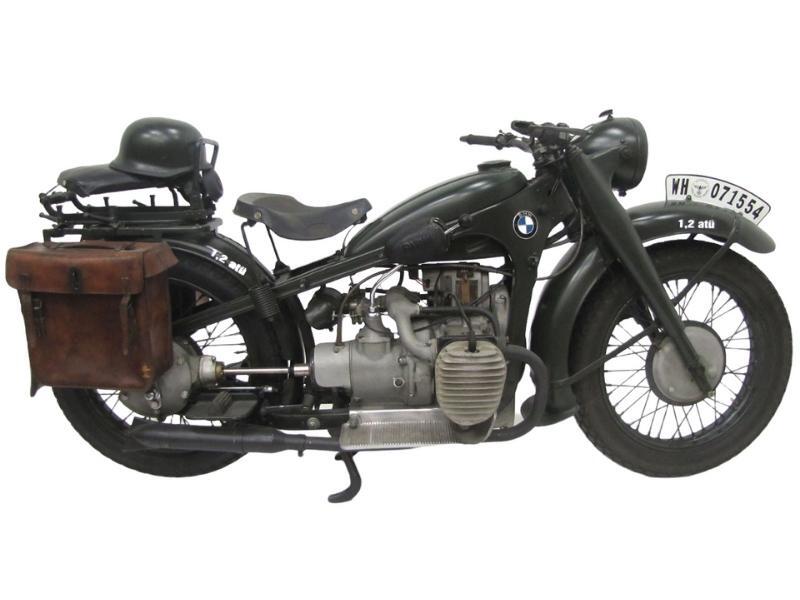
During World War II, the German military required large numbers of vehicles to fight efficiently. To meet this demand, many different companies were asked by the government to manufacture motorcycles.
The BMW R 75 was an ideal vehicle for the harsh conditions of North Africa, partly due to its flat-twin engine design with protruding cylinders which allowed for more effective cooling and shaft drives.
Following the war, BMW's only motorcycle plant in Eisenach, East Germany, produced R35 and R75 motorcycles for reparations. The plant continued to use the BMW name until the East German Government took it in 1952.
Since the BMW head office had no control over the plant in Eisenach, there was a trademark dispute, after which the Eisenach facility was renamed Eisenacher Motorenwerk (EMW).
Documents and designs for BMW's motorcycle production facilities, which had been previously moved to Eisenach during World War II, were now inaccessible to Munich-based BMW.
Due to the terms of Germany's surrender, BMW was prohibited from manufacturing motorcycles for some time. The company started making repairs for American troops and manufactured various everyday items to keep it afloat.
BMW's Return
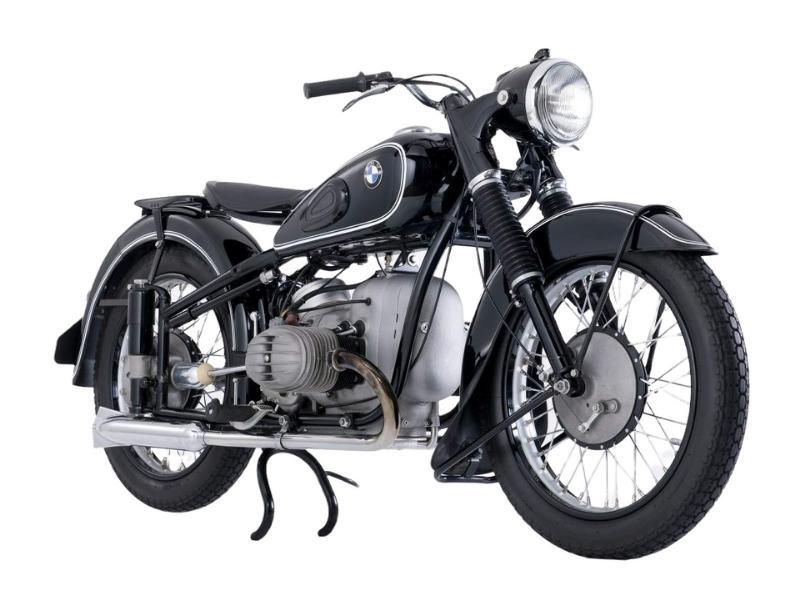
By the end of 1948, motorcycle production had resumed, and BMW made its return with the R 24 model. The escort to President Theodor Heuss — the first president of West Germany (1949 to 1959) — was among its first customers, signaling BMW's high-profile return.
Key Milestones
New Horizons for BMW Motorrad
The R32, designed by Max Friz and unveiled at the Berlin Motor Show in September 1923, was BMW's first motorcycle. The flat-twin boxer engine that would become a hallmark of the brand made its debut with this model.
Instead of the more traditional chain drive system, known for its durability issues, power from the drive was transferred by a Cardan shaft to an oil-filled casing on the rear wheel. The cylinders and heads were cast as a single piece, with the valves arranged vertically.
R 37: The Fastest Bike of Its Time
For its next motorcycle, the R37, BMW turns to engineer Rudolf Schleicher. As a racing enthusiast and BMW employee (since 1923), Schleicher designed a new cylinder with a steel barrel, but a light alloy head houses suspended valves.
The R 37 is a significant improvement over the R32 with 500 cc and 16 horsepower. Compared to its predecessor, it is twice as powerful.
The motorcycle engine provides a solid foundation for BMW's racing endeavors, from off-road races to track competitions. It helps build the brand's reputation — from 1924 to 1929, BMW wins all German Championships in the 500 ccm categories.
In September 1929, Ernst Henne broke the world speed record by reaching 216 kilometers per hour while riding his newly modified R 37 supercharged engine through Ingolstädter Landstrasse
First Hydraulic Telescopic Fork in the World
BMW was the first motorcycle manufacturer worldwide to adopt a hydraulic front wheel fork, replacing its traditional leaf springs. It incorporated it into its R 12 and R 17 models. Over 70 years later, this principle is still used in almost all motorcycles today.
Ernst Henne: The Fastest Man on Two Wheels
At a speed of 279.5 kph, Ernst Henne breaks the world record for the fastest man on two wheels on his 500 ccm (108hp) compressor motor. The record remained unbroken for 14 years.
The Famous “Cast Iron Man”
In his first season on the race circuit, Georg Meier wins the European championship for BMW.
Described in weekly magazines as "cast iron Meier"—Georg "Schorsch" Meier became the first rider of non-British heritage to win what is arguably motorcycling's most prestigious event on a foreign bike: The Senior Tourist Trophy (STT) over several laps on the Isle of Man.
BMW Motorrad Enters the Motor Sport Arena
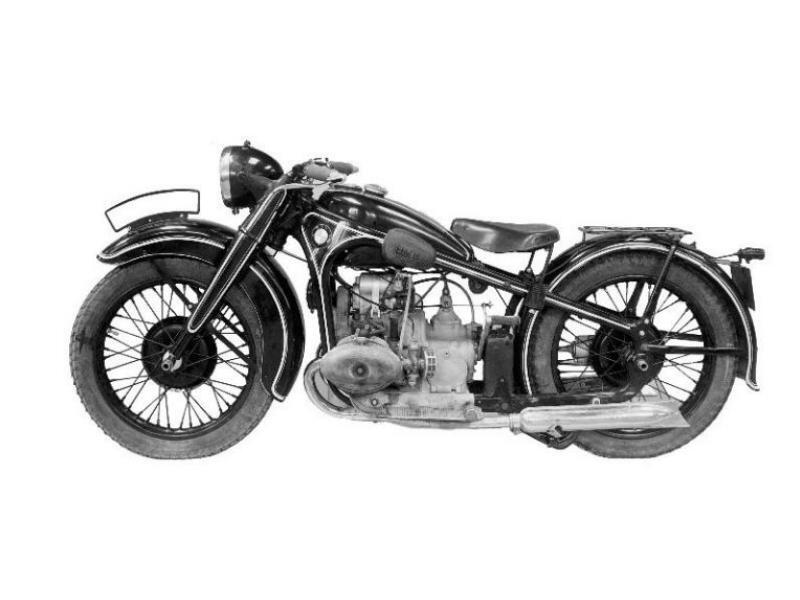
The legendary BMW RS was produced in a limited edition to meet the needs of motor sport with an upright valve control shaft. It attained an incredible speed of 200 km/h enjoying tremendous success both at home (Germany) and abroad; private riders racked up numerous wins on racetracks worldwide.
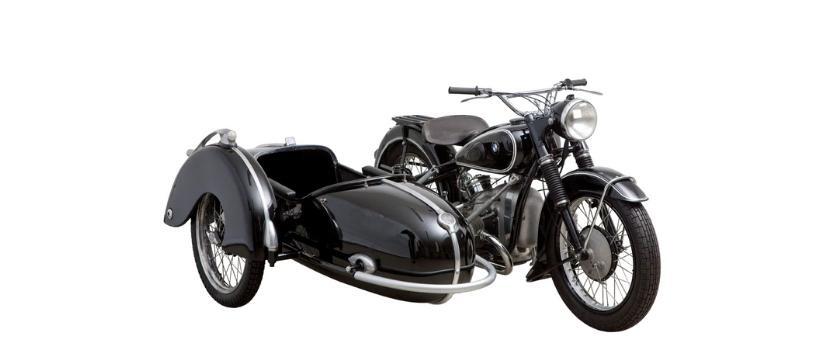
BMW began a trend of victories in the motorcycle and sidecar world championships. Fritz Cron and Wilhelm Noll won the first championship title with their RS combination.
During the 1956 racing season, Noll set another record for BMW — traveling at 280 km/h. Walter Zeller came in second place in the 1956 championship race, achieving the best result for a BMW solo rider at that point on his racing circuit.
New Horizons for BMW Motorrad
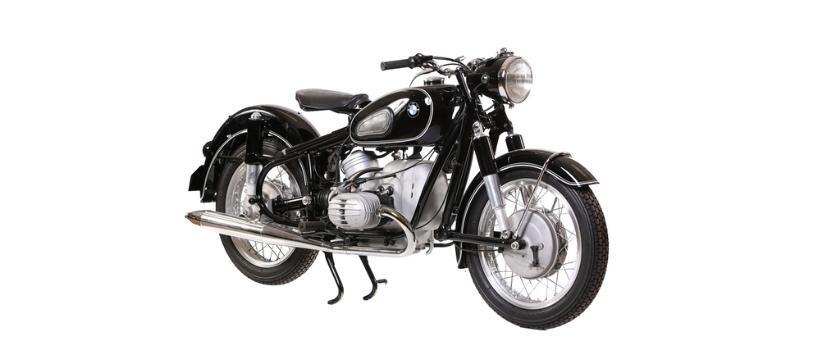
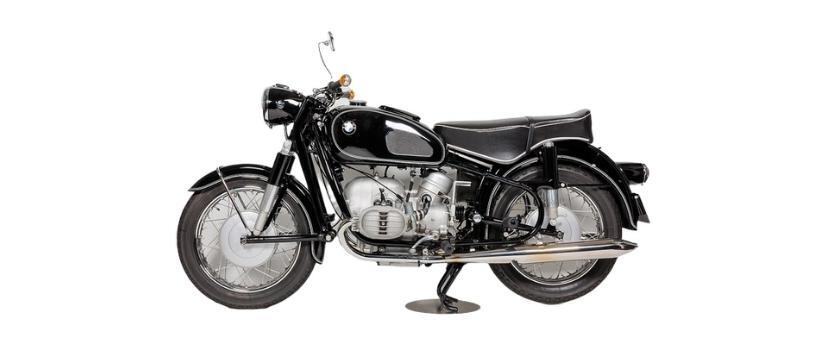
In the 1960s, BMW built on its reputation for outstanding stability by using a tried-and-true chassis design: full swing arm models introduced in 1955 had set new standards of ride quality.
The R 50 S and R 69 S sports models are introduced, which supplement BMW’s existing line of motorcycles. The R 69S—achieves a top speed of 175 kilometers per hour, making it the fastest production bike in Germany then.
BMW motorcycles can be seen cruising the highways of Europe and the US. In addition, they are becoming increasingly popular in other countries worldwide.
The New /5 Series: A Hobby for the Ages
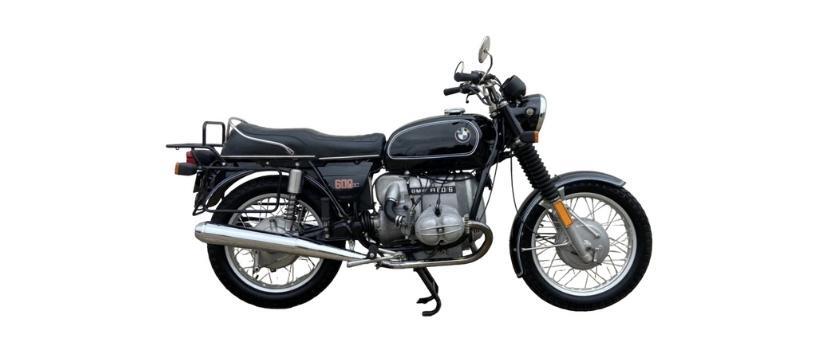
Motorcycling is becoming increasingly popular as a leisure activity, and the new /5 Series has been designed to meet all the demands expected of a contemporary motorcycle. It also allowed BMW to establish itself amongst the international leaders in this class. At the same time, BMW’s production shifts from Munich to a facility in Spandau.
R 100 RS: The World’s First Full-fairing Sports Tourer
As BMW Motorrad's first production motorcycle with a full fairing, the R 100 RS was developed to be as aerodynamic—and comfortable—as possible.
The R 100 RS was also the first BMW motorcycle with a 1-liter cylinder capacity and could reach a top speed of up to 200 km/h—without compromising rider comfort. BMW also sets the standard for sporty touring bikes by allowing riders to sit upright.
The Ultimate Travel Enduro
The new BMW R 80 G/S (Gelände/Strasse) meaning (Off-road/Street) was launched. It set the standard for large, comfortable travel Enduro bikes — a category important in today's motorcycle trade. BMW's monolever, with the rear wheel located on one side of the swing arm, caused an uproar when it was first introduced.
The BMW boxer engine takes first place at the Paris-Dakar rally. The French driver Hubert Auriol wins in 1981 and 1983 with his "African navigation skills". In 1984 and 1985, Belgian Gaston Rahier wins the race on a BMW.
K1: The Revolutionary Digital Engine Motorcycle
The BMW K series, an idea by engineer Josef Fritzenwenger, was first introduced and featured a horizontally positioned inline engine. The two-cylinder boxer remained its tried and tested counterpart.
The K 1 was introduced at IFMA '88 — the world's first digital engine motorcycle made with revolutionary electronics and boasting an avant-garde design.
First Anti-blocking System (ABS) In Motorcycling History
1988: BMW becomes the first motorcycle manufacturer to launch the Anti-Blocking System (ABS) — an electronic brake technology for motorcycles. Another innovation by BMW was the world's first three-way catalytic converter for motorcycles in 1991.
The Unstoppable Advance
In the 2000s, the new K-Series models propel growth at BMW Motorrad with their transversely mounted engines and innovative technical features. At the same time, demand for motorcycles in the mid-range segment is fueled by sales of its newly developed F series machines.
Along with the K series and F series, BMW updates its R series line of flat-twin cylinder engines with a new 1,170 cc engine. This was used in the dual-sport model, the R 1200 GS.
By 2006, BMW had launched the G series, including the XMoto, XCountry, and XChallenge, designed to appeal to younger customers.
BMW Motorrad introduces one of the most important new releases on the market—the S 1000 RR. It is their first superbike offering and marks a major change in direction for this iconic brand.
C Evolution: The Future of Urban Mobility
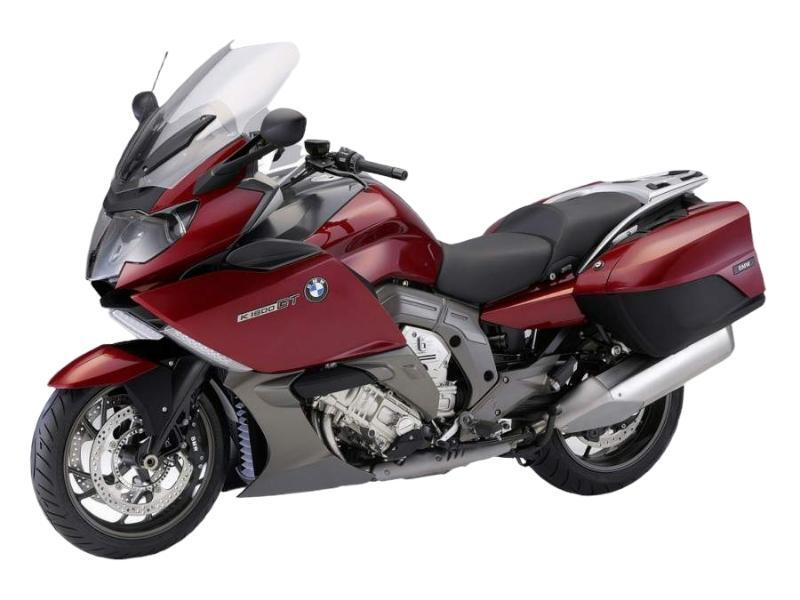
BMW Motorrad expands its line-up to include two scooters—the maxi C 600 Sport and the touring C 650 GT—in response to growing urbanization trends. That same year, BMW added two new models to its K Series line—the six-cylinder BMW K 1600 GT (a sport-tourer) and the BMW K 1600 GTL (meant for luxury travel).
In the spring of 2014, BMW Motorrad brings a new era of mobility to the market.
BMW's all-electric maxi-scooter, the C evolution, combines modern drive technology with a thrilling riding experience to create a fun and environmentally friendly vehicle.
A Legacy of Innovation
Here are some notable innovations by BMW Motorrad through the years.
R 39 : BMW’s First Single-cylinder Model
After the successful debut of the R 37, the first BMW single-cylinder models were released. The R 39 sported a 250 cc engine and produced 6.5 hp—despite its short chassis (derived from the R 32). It was also the first BMW to mount an external calliper brake on the Cardan flange (as opposed to old-style "block" brakes).
R 75 : Designed for the Military
The R 75 was designed for use as a sidecar attached to an army vehicle. It featured an OHV engine, low-ratio gearbox, and reverse function. It was the only motorcycle produced by BMW exclusively for military use. The R 75's design inspired U.S. motorcycle manufacturers such as Indian and Harley-Davidson to create models with similar features: the 841 and XA, respectively.
R24 : BMW Is Back
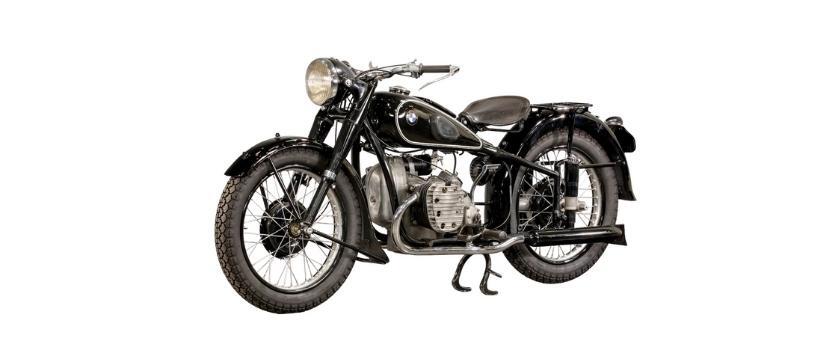
After World War II, BMW's return to the market was heralded by its new R 24 model, which featured a four-speed transmission and a Bing carburettor. The engine in the old R23 had been updated to a single-cylinder design with advanced ignition timing. It was the only BMW model after the war that lacked a rear suspension.
R 68 : The 100-Mile Racer
The R 68 was BMW's top model of the 1950s, boasting a standard speed of 160 kilometers per hour. With its debut at the International Bicycle and Motorcycle Show (IFMA) in September 1951, the all-new 100-mile racer signaled BMW's return to racing glory.
R 25/3 : Best-selling Model for Over Three Decades
In 1954, BMW introduced the R 25/3. With a powerful engine, 18-inch wheels, full hub brakes, and a hydraulically damped telescopic fork, the BMW motorcycle quickly became the company's best-selling model (selling 47,700 units) well into the 1990s.
R 50
The new R 50 was the first BMW motorcycle to use a full rocker chassis, with a swinging arm for the rear wheel and spring struts for the front. A cup spring coupling, a four-speed transmission with dampers, and a three-shaft were also used for the first time on this model. The R 50's popularity soon spread to government agencies across the globe.
R 50/5, R 60/5 : Introducing New Colors
The /5 series was launched, introducing the R 50/5 and the R 60/5 models—redesigned versions of BMW's boxer-engine bikes. For the first time, other colors besides black and white were available on this model. The entry-level R 50/5 was also the last BMW with a 500 cc engine capacity.
R 75/5
The R 75/5, the most powerful model of BMW's /5 series, used a 750 cc engine with 50 horsepower and a top speed of 175 kilometers per hour. This meant that when the 1960s motorcycle boom hit—with people wanting more and higher-powered bikes than ever—BMW was ready to meet their needs.
R 90 S : A Design Classic
In 1976, BMW launched the R 90 S — the first model with a 750 cc engine and a maximum speed of 200 km/h. Its standard cockpit cladding and two-tone paintwork made it one of the most memorable designs from that decade.
R 100 RT : Pioneer of Long-distance Touring Motorcycling
The R 100 RT was a redesigned version of the R 100 RS. With its fairing and other comfortable additions, long-distance comfort was incorporated into a sporty motorcycle. Its RT designation set a precedent for all future BMW touring models.
R 100 GS : BMW Paralever System
The new BMW R 100 GS Enduro was its first top model in the boxer range; it boasted a powerful 980 cc engine, large carburetors, and a specially tuned exhaust system that delivered more torque than its predecessors.
For the first time, BMW introduced a paralever double articulated rocker to its shaft-drive motorcycles. The paralever is an improved version of BMW’s single-sided rear suspension. It was also possible to use tubeless tires on cross-spoked wheels.
Funduro 1993 (the Eurobike)
In 1993, BMW introduced a new series of motorcycles: the F Series. It included the F650, which was its first single-cylinder motorcycle since 1966. By May 1995, BMW was the first major motorcycle manufacturer to make catalytic converters standard equipment on its motorcycles and offer them for retrofit.
R 1100 RS : The Telelever Design
The first four-valve boxer engine in the BMW line represented a breakthrough. The R 1100 RS was a sporting tourer, sure — but possessed character and tradition like no other bike in its class. It also featured an ergonomic package that gave riders unprecedented control over how they could set up their bikes to fit perfectly with them.
The new telelever was a revolutionary design that separated suspension and damping functions from the wheel control. With this new model, BMW also began using oil-cooled cylinder heads (oilhead engines), abandoning the air-cooled cylinder head versions.
R 1200 C : The James Bond Bike
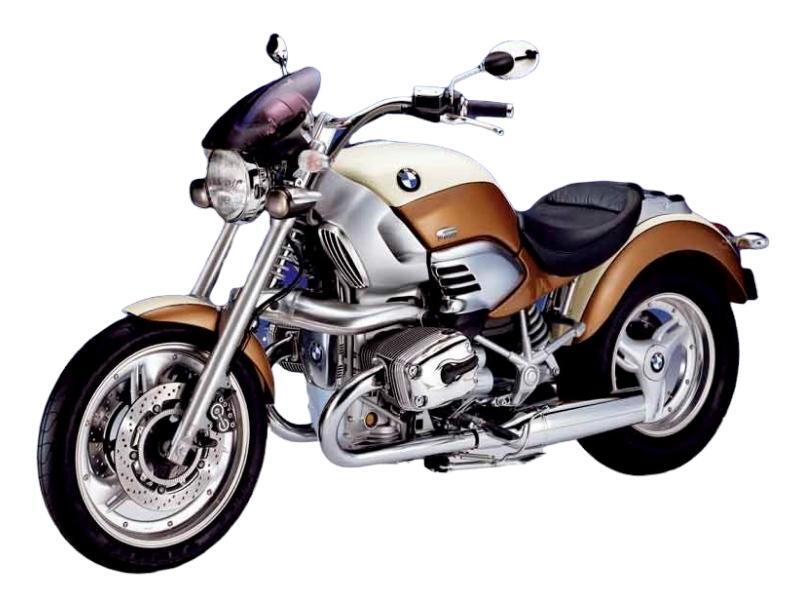
BMW entered the cruiser segment with the R 1200 C model — its boxer engine and design were considered breakthroughs. The BMW bike’s success can be attributed to it being featured prominently in the James Bond movie "Tomorrow Never Dies."
C1 : A Safer Ride
The C1 was a unique hybrid vehicle, combining the best features of cars and motorcycles in one design. The company's original safety concept called for a cell to protect the rider, crash elements that absorb impact, and a belt restraint system. As such, it did not require helmets in many jurisdictions.
Noteworthy Statistics
BMW Motorrad is a world-renowned brand for quality performance and endurance bikes. Here's an overview of some interesting statistics from this popular motorcycle brand.
-
BMW Motorrad is one of the four brands of the BMW Group (along with BMW, MINI, and Rolls-Royce). As of 2021, 118,909 employees worked for the BMW Group in 15 countries and 31 production/assembly facilities.
-
Over its near-century history, BMW Motorrad has had great racing success. Between 1929 and 1937, Ernst Henne set 76 world speed records while riding BMW motorcycles. In 1937 he raised the bar by taking his bike to 279.5 km/h—a record that stood for 14 years before being broken.
-
By the beginning of the 1990s, the legendary classic boxer series had come to a close, 70 years after it was first introduced by BMW (by that time, 684,830 bikes had been sold worldwide since 1923).
-
With a record-setting sales volume of 194,261 units in 2021 (a 14.8% increase over the previous year), BMW Motorrad achieved its best annual sales since its first motorcycle production in 1923.
-
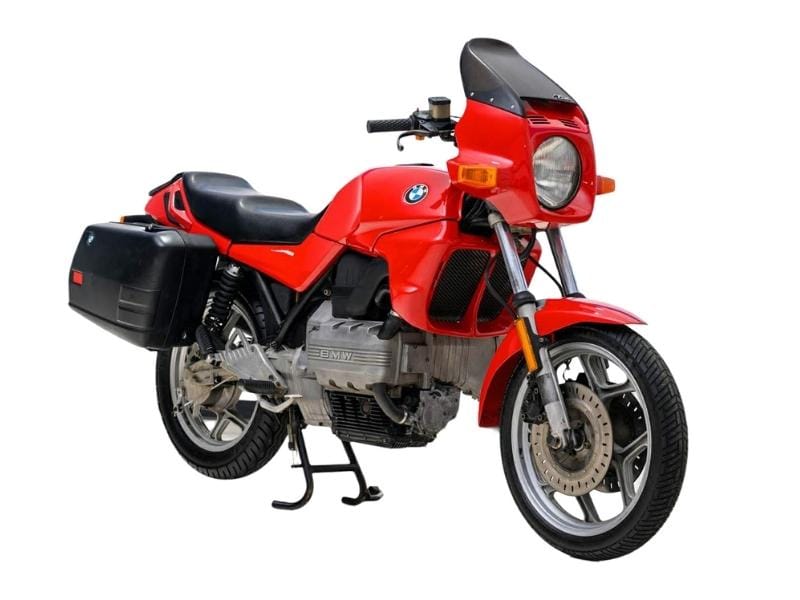
No Limits: A German motorcycle fan rode his BMW K75 for over one million kilometers, an amount of distance equal to the round-trip space journey from Earth to the moon!
Models by Type
BMW Motorrad has been making motorcycles for nearly 100 years, and their models are as diverse as those who ride them. Each model is designed to complement a different riding style, so whether you're looking for a sporty ride or something more comfortable and easy to handle, there's a bike that will meet your needs.
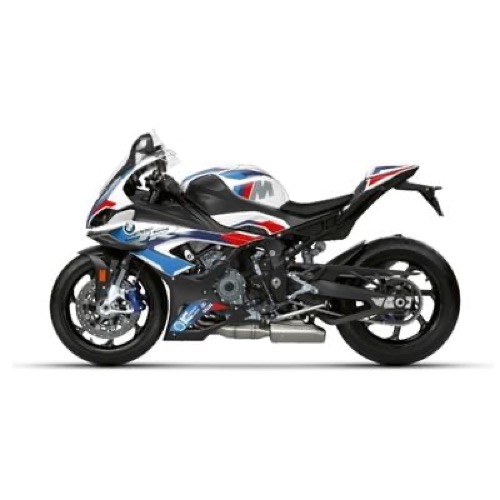
Sport
The BMW Sport series is perfect for sporty riders who love high speeds and adrenaline-pumping action. The bikes are typically lighter than other motorcycles, with high-performance engines designed to accelerate quickly and corner aggressively. Many sportbikes also have fairings to protect the rider from the wind while riding at speed.
BMW bikes in this line include M 1000 RR, M 1000 RR 50 Years M, S 1000 RR, and R 1250 RS models.
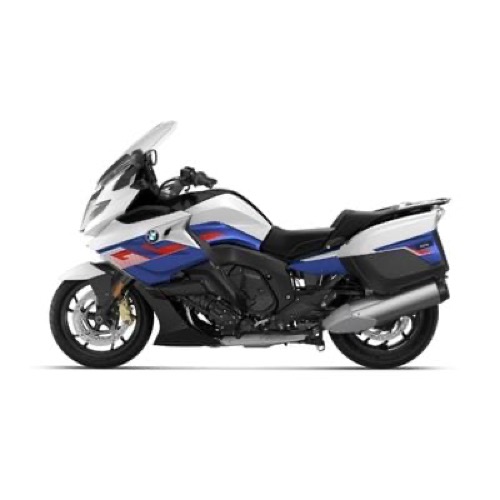
Tour
The Tour series is ideal for the more casual rider who wants a motorcycle that's easy to ride and offers comfort on long rides. BMW tour models are reliable, long-distance motorcycles featuring comfortable seats and luggage storage. They also have larger fuel tanks and longer suspensions than other motorcycles.
The models included in this line are the R 1250 RT, K 1600 GT, K 1600 GTL, K 1600 B, and K 1600 Grand America.
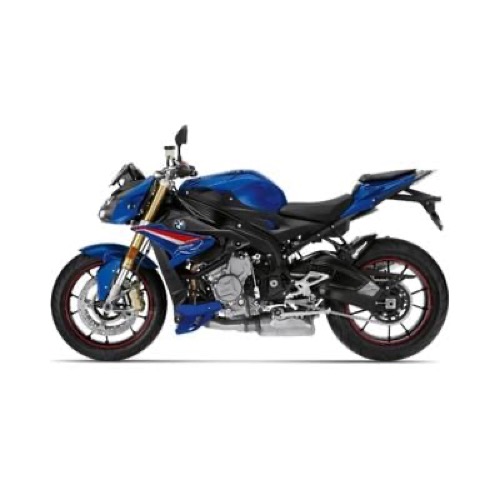
Roadster
Roadsters are the best of both worlds, combining many of the performance aspects that come with sports bikes and some touring bike elements — they have lightweight frames and low seating positions, making them ideal for cruising around town.
The BMW Roadster series features R 1250 R, S 1000 R, F 900 R, and G 310 R models.
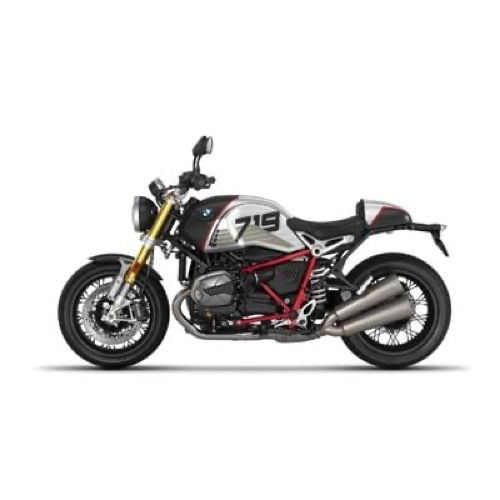
Heritage
Heritage models are recreations of vintage BMW motorcycles, offering a retro feel with modern technology. They have an old-school look that makes them great for collectors or anyone who wants to feel like they're riding a piece of history—but still have all the modern amenities!
The Heritage series includes the R 18 B, R 18 Transcontinental, R 18, R 18 Classic, R nineT, R nineT Scrambler, R nineT Urban G/S, and R nineT Pure models.
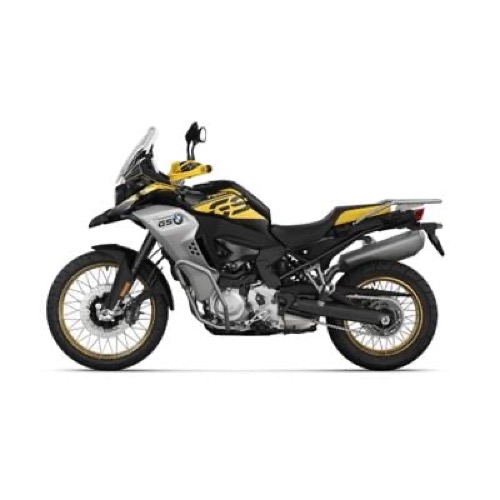
Adventure
Adventure models feature rugged designs and off-road capabilities, making them great for exploring nature trails or open roads. These bikes have all the power needed for long journeys while still agile enough to navigate tight corners and twisty roads at high speeds.
The BMW Adventure line includes the R 1250 GS Adventure, R 1250 GS, S 1000 XR, F 900 XR, F 850 GS Adventure, F 850 GS, F 750 GS, and the G 310 GS.
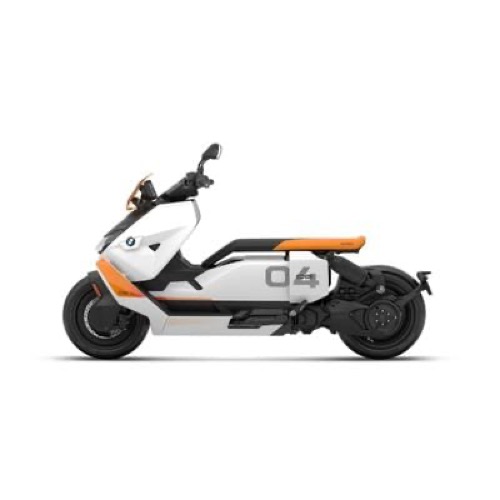
Urban Mobility
Urban Mobility bikes are designed specifically for city living — for urban riders who want an efficient mode of transportation without sacrificing style. They are compact, lightweight, and great at maneuvering through traffic jams or tight spaces like parking lots.
The BMW bikes in the Urban Mobility category include scooters and electric bikes featuring models such as the CE 04, C 400 X, and the C 400 GT.
BMW MOTORRAD FAQ
When did BMW first start making motorcycles?
BMW Motorrad has been manufacturing motorcycles since 1923, when it launched its first motorcycle — the R32 model.
The R32 was an entry-level model powered by a flat-twin engine (boxer engine) and producing 8 horsepower. The R32 remained in production until 1925, when it was replaced by the R37, which had twice its power and pioneered BMW's racing history.
What was the first BMW motorcycle?
The R32 was the first production model built by BMW Motorrad and is considered by many to be one of the most significant models in motorcycle history. In September 1923, at the Berlin Motor Show, Max Friz was given the green light to develop the model, which marked the beginning of a legend — the boxer engine.
The R32 also became the basis for later models like the R 37 that would set speed records at multiple racetracks over subsequent years.
What is the meaning of Motorrad?
"Motorrad" is a German term that means "motorcycle." It was first used in 1894 after a patented invention by Hildebrand & Wolfmüller, which became the first commercially available motorcycle in the world — popularizing both "Motorrad" and motorbike manufacturing.